
The rapid rise of GLP-1 medications marks one of the most significant behavioural shifts the food and beverage industry has faced in decades, with 1.6 million adults estimated to have used weight loss drugs in the past year and a further 3.3 million interested in using them in the future.[1]
GLP-1 is fundamentally altering how consumers engage with food. Whilst it doesn’t eliminate eating, it changes how, when and why people eat. Appetite is reduced, fullness arrives faster, and consumption becomes more intentional.
With meals fewer and portions smaller, the expectations placed on every eating occasion are significantly higher. Consumers are demanding food to be more satisfying, more nutritious and more “worth it”…
…and that has major implications for how the industry must innovate for the future.
GLP-1 compresses consumption, and that means fewer occasions and smaller portions. As a result, traditional value drivers such as pack size, frequency and price-per-volume are losing relevance. In their place, consumers are prioritising nutritional efficiency and functional payoff.
In short, food must work harder per bite.
We are seeing growing consumer demand for:
Brands are already leaning into this shift, through protein-forward meal replacement drinks and reformulated, nutrient-dense ready meals with functional positioning and measurable nutritional pay-off. Such products are increasingly being reinterpreted as practical tools for controlled, confidence-led eating.
“Worth it” is now the dominant purchase filter.
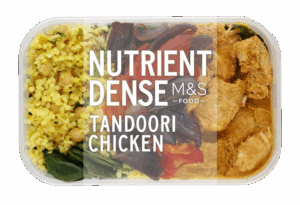
| M&S say their new nutrient-dense ready meal is “ideal for those eating less due to age, lifestyle or weight loss medication, helping to ensure fibre, vitamins and minerals are consumed, despite smaller appetites.” |
Protein sits at the centre of GLP-1-driven eating behaviours due to its role in satiety, muscle maintenance and metabolic health. However, this is not a simple “more is better” opportunity.
Consumer research highlights several tensions:
Brands gaining traction in this space are integrating protein meaningfully into familiar trusted formats; chilled ready meals, cooked meats and everyday convenience foods, rather than niche standalone ‘performance’ products.
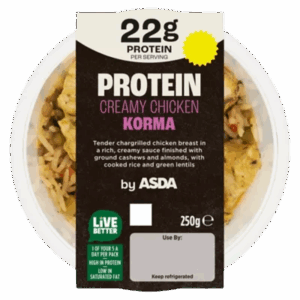
| Asda say their new Protein ‘power pot’ ready meals are “an affordable, protein and calorie-conscious meal solution for customers who want to focus on health without doing all the prep, or for those with reduced appetites”. |
The protein opportunity is significant, but only brands that deliver clarity, trust and everyday usability, not exaggerated claims, will convert this into durable growth.
While GLP-1 does not eliminate snacking, it increases the expectations placed on each occasion. GLP-1 consumers are no longer grazing, they are choosing. The impulsive, habitual low-decision-quality snacking that has historically driven volume in this category is being replaced by a more deliberate, considered approach.
Research indicates:
This creates a shift toward ‘earned consumption’ – whether savoury or sweet – products must now justify their place either through nutritional contribution or an experience that feels sufficiently rewarding.
Few categories are as exposed to GLP-1 disruption as sweet treats. High sugar, low fullness products are increasingly challenged by a consumer cohort that is spending its calorific budget more carefully, less willing to spend calories on “empty” indulgence.
However, demand for treats is not disappearing, it is evolving. The question consumers are now asking is not whether to indulge, but whether this specific product is worth it.
NPD gaining traction includes:
Paradoxically, GLP-1 adoption may actually increase demand for premium, permissible snacks & treats. With fewer moments available, consumers are more willing to pay for products that genuinely deliver satisfaction and feel justified.
| Lindt reported a 17% increase in premium chocolate sales in the US among GLP-1 users (vs. a 6.1% rise among non-users), suggesting a shift towards premium indulgence, making the small moments count. |

The winning formula is not “healthier treats” in a conventional sense, but treats that feel justified, intentional and genuinely worth the moment they occupy.
Food service is emerging as a particularly important arena for the GLP-1 recalibration, with restaurant and café menus being carefully reconsidered.
GLP‑1 consumers eating out are seeking flexibility rather than abundance, control without abstention, and the ability to eat socially without overcommitting.
| Greggs is expanding its menu to include smaller portions and high-protein, healthier options in response to changing consumer habits driven by weight-loss jabs. |
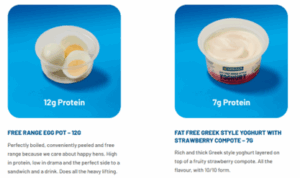
Operators are responding by re-appraising their menu structures, with a growing focus on:
Crucially, these changes aren’t being positioned as compromise. They are positioned as choice-led, flexible and customisable. Allowing diners to stop when they feel full, without waste, guilt or perceived loss of value.
Retailers will play a key role in translating GLP-1-driven behaviour into mainstream food culture. Their influence spans ranging, own-label development and shopper POS.
Already we are seeing:
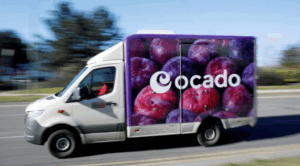
| Ocado Retail recently launched a “curated range of GLP-1 friendly products to help people navigate the challenges of meeting their nutritional needs whilst experiencing reduced appetite”. The range includes small extra-lean steak, high-protein cottage cheese and kefir. |
Moving forward, retailers will favour partners who bring genuine consumer insight rather than trend-led hype, who understand behavioural shifts rather than ingredient solutions and can co-create ranges that work with the grain of GLP-1 consumer behaviour rather than attempting to fight it.
Closing thoughts
The rise of GLP-1 is not simply a health trend, it is a recalibration of food’s role in everyday life, accelerating a shift already underway, from passive consumption to purposeful eating.
Consumers are eating less and expecting more. More nutritional value. More sensory impact. More justification for every moment.
Brands that recognise and design for this new reality will define the next era of food.
The FMCG & Retail team here at RED C specialises in the consumer insight that FMCG brands and retailers need to make confident commercial decisions. We work across categories, channels and occasions, helping our clients understand not just what people are buying, but why they are buying it, how those behaviours are changing, and what truly drives choice, loyalty and trade‑off at the point of decision.
If you are responsible for driving growth in FMCG or retail, and want your strategy shaped by real behavioural insight, we would love to hear from you.
Book a 30-minute call with the team today

Carol Wale | Insight Director | [email protected]
[1] UCL Study January 2026, funded by Cancer Research UK
 Understanding Behaviour
 Building Brands
 Improving Experiences
 About Us
 Our Team
 Our Associations
 Our Work
 Our Clients
 How We Do It
 Products We Use
 Where We Do It
 Political Polls
 Consumer Trends
 Our Thinking
 Latest RED C News
 Get in Touch
 Join RED C
 Join our Online Panel