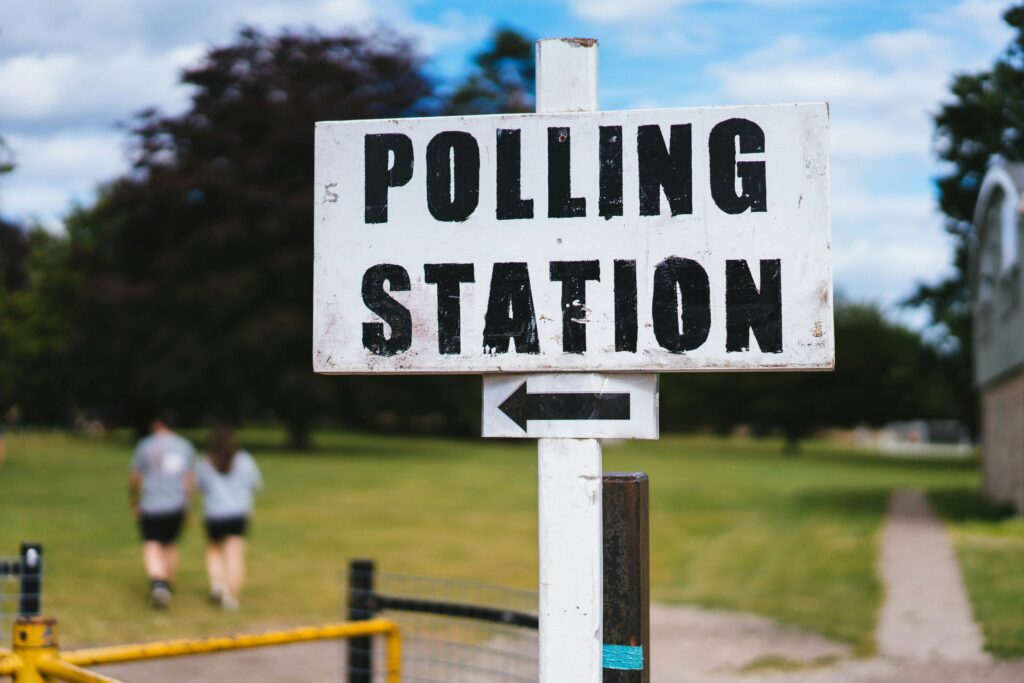
Our poll today suggests the recent by-elections in Dublin Central and Galway West could have a profound impact on at least two of the larger parties in the State, both in terms of direction and leadership, while also signalling a broader shift among voters searching for alternatives.
Those contests saw gains for the Social Democrats, Sinn Féin missing the opportunity to significantly damage the government as the main opposition party, rising support for the more right-leaning Independent Ireland grouping, Fianna Fáil underperforming, and Fine Gael perhaps doing better than expected for a party in government.
At first glance, this appears very different from the political landscape seen at the last General Election. In reality, however, it reflects trends voters have been signalling in polling for several months.
The Social Democrats’ success in winning one by-election and performing strongly in the other certainly reflects their gains in national polling since the last election, boosted by the strong left alliance performance in the presidential election. In recent months, the party has twice secured 10pc support in first-preference polling and appears to have positioned itself effectively as an alternative for many voters.
The by-election results further strengthen that claim, while leader Holly Cairns secures the highest favourability ratings of all party leaders. We asked voters to rate each leader out of 100, with 100 representing extremely favourable and 0 not favourable at all. Deputy Cairns recorded a rating of 47, just ahead of Mary Lou McDonald on 46, while also scoring an impressive 85 among her own supporters.
Her appeal is particularly strong among younger voters, but she also performs well with older cohorts, making her a significant asset for the party’s future growth.
For Sinn Féin, many suggested a poor by-election performance would bring the leadership into question. Further declines in support in our latest polling will do little to quieten those discussions. The party has clearly seen support drift towards alternatives on both the left and the right.
In Mary Lou McDonald’s defence, however, she still has the second-highest favourability rating among all leaders, with 46 out of 100 overall. That rises to 85 among current Sinn Féin voters and stays strong at 56 among lapsed voters, (those who supported the party at the last election but would not do so now.)
Fianna Fáil’s poor recent form has been visible in our tracking data for several months, with former supporters steadily drifting away. In two bye-elections where the party was never strongly positioned, perhaps the scale of the losses is not surprising. The party has struggled since the fallout from the presidential election campaign, while the leadership has increasingly come under scrutiny.
However, further questions about Fianna Fáil’s leadership emerge in today’s poll. Overall, Micheál Martin performs relatively poorly, securing a favourability rating of just 36 out of 100, with only 18pc of voters giving him a score of seven or more out of 10.
The more revealing figures emerge when those ratings are broken down by current and former supporters. Among voters who still intend to give Fianna Fáil their first preference, Mr Martin secures a respectable favourability score of 77. Among those who voted Fianna Fáil at the last General Election, however, that falls to 58, while among lapsed voters it drops sharply to just 36.
Indeed, half of all lapsed Fianna Fáil voters give the party leader a favourability score below 30.
Based on this analysis, it appears the period when Micheál Martin was clearly an electoral asset among floating or persuadable voters may be waning. The question is whether anyone within the party has the appetite for a leadership challenge before the Taoiseach’s office transfers to Fine Gael.
The impressive levels of 1st preference votes Independent Ireland achieved in the Galway West bye-election was also foreshadowed in polling, which has shown the grouping making gains nationally, particularly in response to the fuel crisis protests.
Many figures within Independent Ireland, who have made much of being more connected to ordinary voters, come from a Fianna Fáil background. Further evidence of the damage their rise may be causing Fianna Fáil can again be seen in the leadership ratings.
Michael Collins secures an overall favourability rating of 45 out of 100, nine points higher than Micheál Martin. His strongest ratings among Fianna Fáil voters also come from that same lapsed voter category, where his favourability rises to 48.
Finally, Fine Gael performed surprisingly well in the bye-elections, winning one seat and holding up reasonably well in the other. In today’s polling, their support edges upwards slightly as a result.
Leader Simon Harris is somewhat out of the spotlight while awaiting his return to the Taoiseach’s office, and his ratings are not especially strong either. Like Micheál Martin, he secures an overall favourability rating of 36 out of 100. However, he performs somewhat better among lapsed Fine Gael voters, of whom there are far fewer, suggesting he may not personally be a major factor in voters moving elsewhere.
So, do by-elections matter for the wider political landscape? Perhaps not on their own. But when they reinforce trends already evident in national polling, they undoubtedly sharpen political attention and can prompt action that the polls alone might not.
 Understanding Behaviour
 Building Brands
 Improving Experiences
 About Us
 Our Team
 Our Associations
 Our Work
 Our Clients
 How We Do It
 Products We Use
 Where We Do It
 Political Polls
 Consumer Trends
 Our Thinking
 Latest RED C News
 Get in Touch
 Join RED C
 Join our Online Panel